REVIEW 007 // REDMI Headphones Neo // Wireless headphones
November 2026
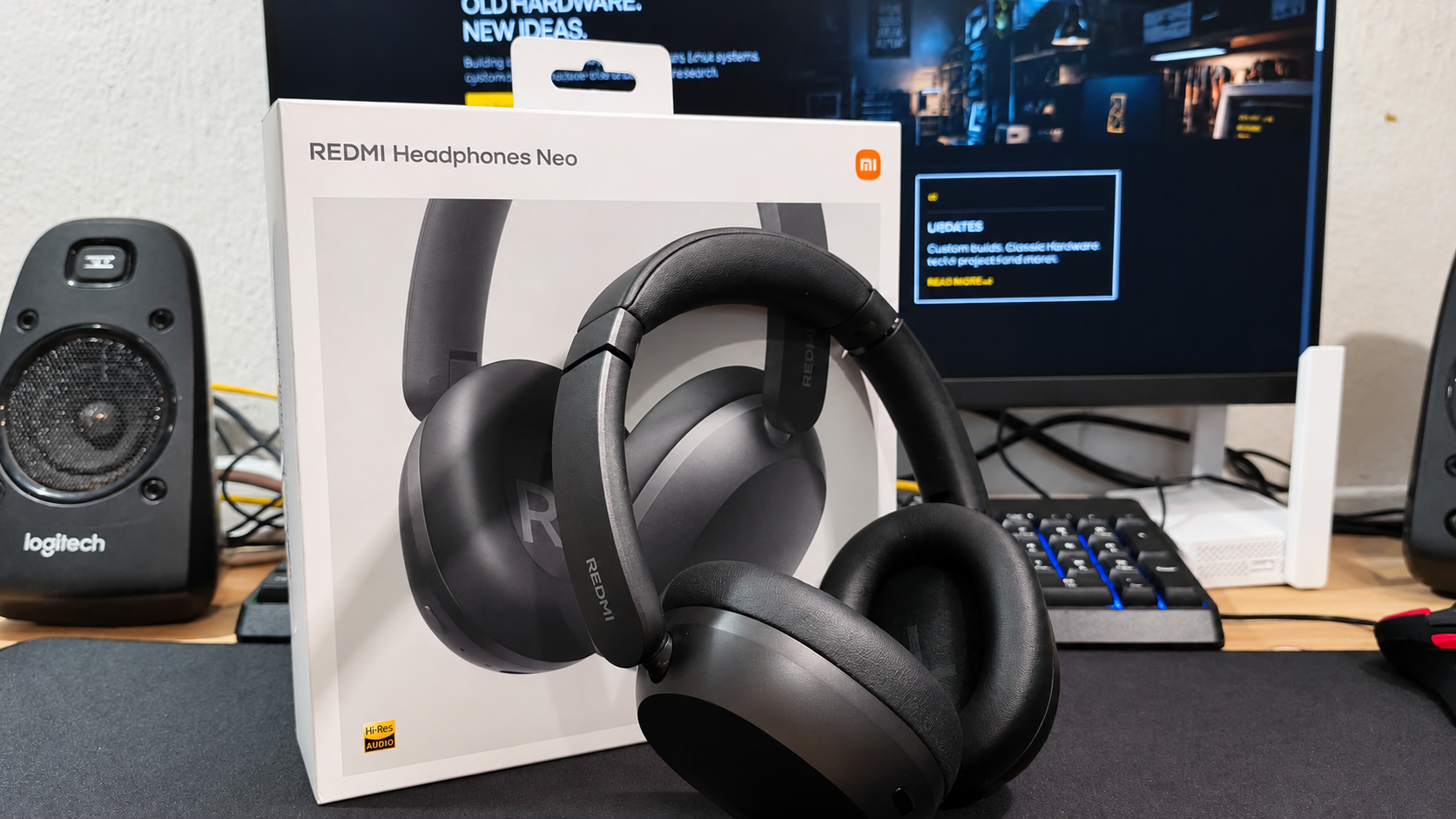
After spending approximately three weeks using the REDMI Headphones Neo almost every day, I wanted to share my experience with Xiaomi’s affordable over-ear wireless headphones.
I purchased these headphones for around €65, primarily to use at work for listening to music, attending Microsoft Teams meetings, and switching between my work computer and smartphone.
Having previously used the REDMI Buds 8 Pro, I was particularly interested in seeing how Xiaomi’s over-ear headphones would compare, especially regarding comfort, sound quality, and active noise cancellation.
So, after three weeks of daily use, are they worth the money?
01 // FIRST IMPRESSIONS
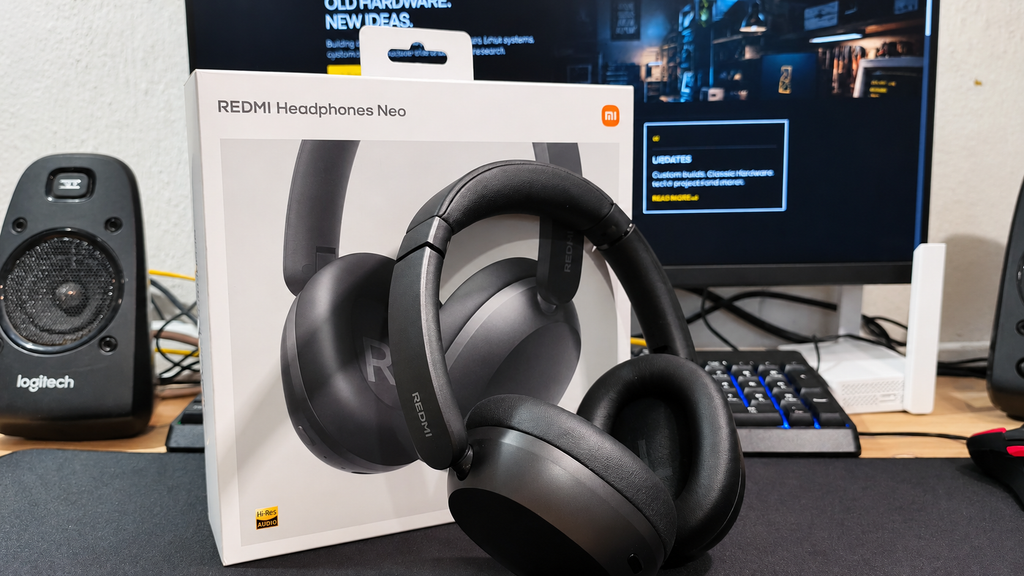
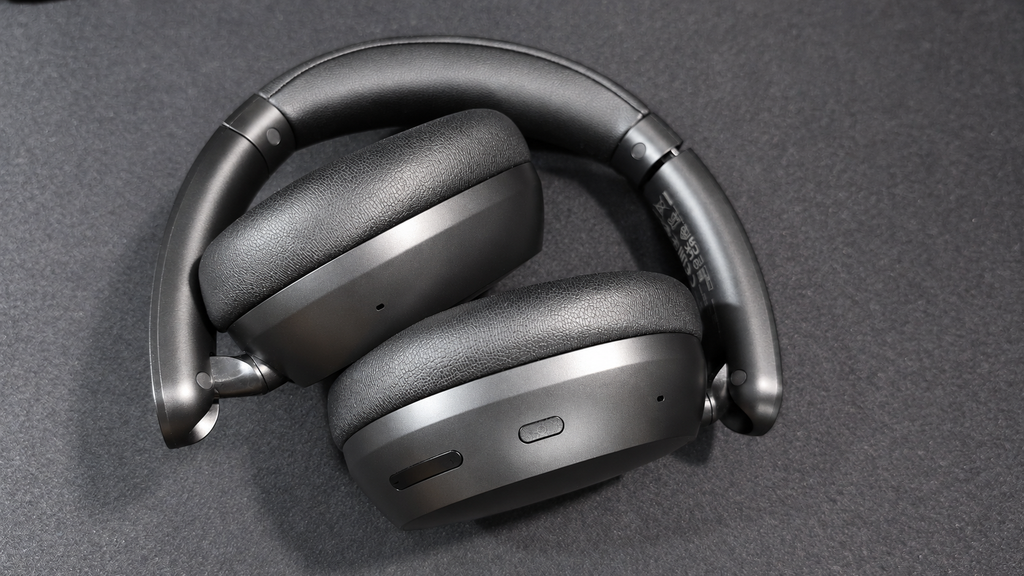
The REDMI Headphones Neo offer a relatively straightforward approach to wireless audio: an over-ear design, active noise cancellation, Bluetooth connectivity, and several features that make them practical for everyday use.
My first impression was positive. Pairing them with my Xiaomi 15T Pro was extremely straightforward, and getting them connected to my work computer was just as easy.
What interested me most, however, wasn’t necessarily the sound quality or the noise cancellation. It was the ability to have two devices connected simultaneously.
That feature has turned out to be one of my favourite things about these headphones.
02 // UNBOXING
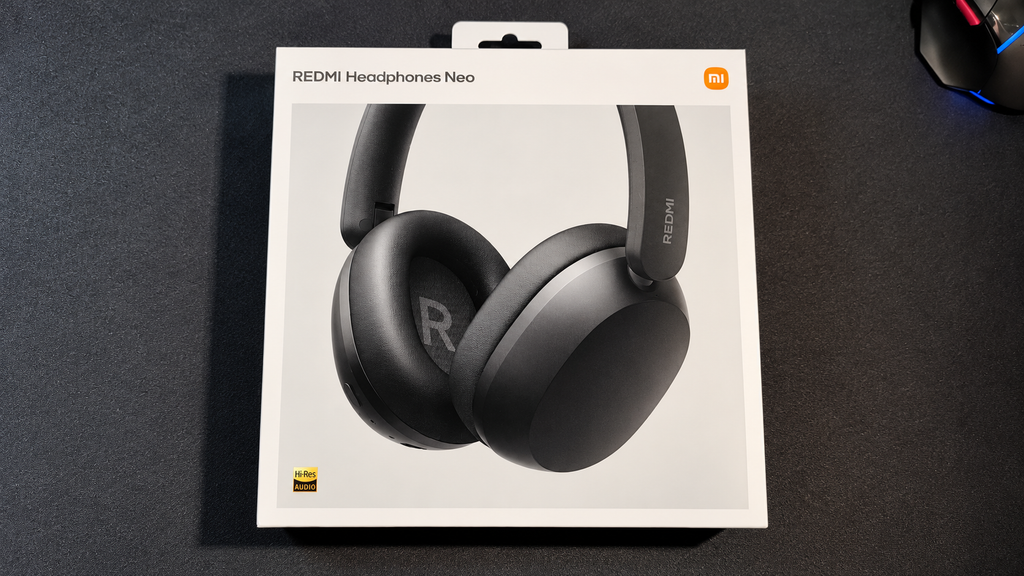
Before getting into the review, I also recorded an unboxing video showing the headphones and their design.
The unboxing provides a closer look at the headphones themselves, while the rest of this article focuses on how they perform during actual daily use.
03 // TECHNICAL SPECIFICATIONS
Before discussing my experience, let’s take a quick look at the hardware.
| Specification | REDMI Headphones Neo |
|---|---|
| Design | Wireless over-ear headphones |
| Drivers | 40 mm dynamic drivers |
| Connectivity | Bluetooth 5.4 |
| Active Noise Cancellation | Up to 42 dB adaptive ANC |
| Microphones | Triple-microphone AI noise reduction |
| Battery life | Up to 72 hours (ANC off) |
| Battery capacity | 600 mAh |
| Charging | USB-C |
| Weight | Approximately 263 g |
| Multipoint connectivity | Two devices simultaneously |
| Companion application | Xiaomi Earbuds |
The battery life and ANC figures above are manufacturer specifications rather than measurements from my own testing. On paper, the specifications are promising for headphones in this price range. But specifications only tell part of the story.
04 // COMFORT AND DAILY USE
Comfort is one of the most important factors for me when choosing headphones.
I primarily use the REDMI Headphones Neo at work, where I spend a considerable amount of time at my computer. That means the headphones need to remain comfortable throughout regular listening sessions and meetings.
Fortunately, comfort has been one of their stronger points.
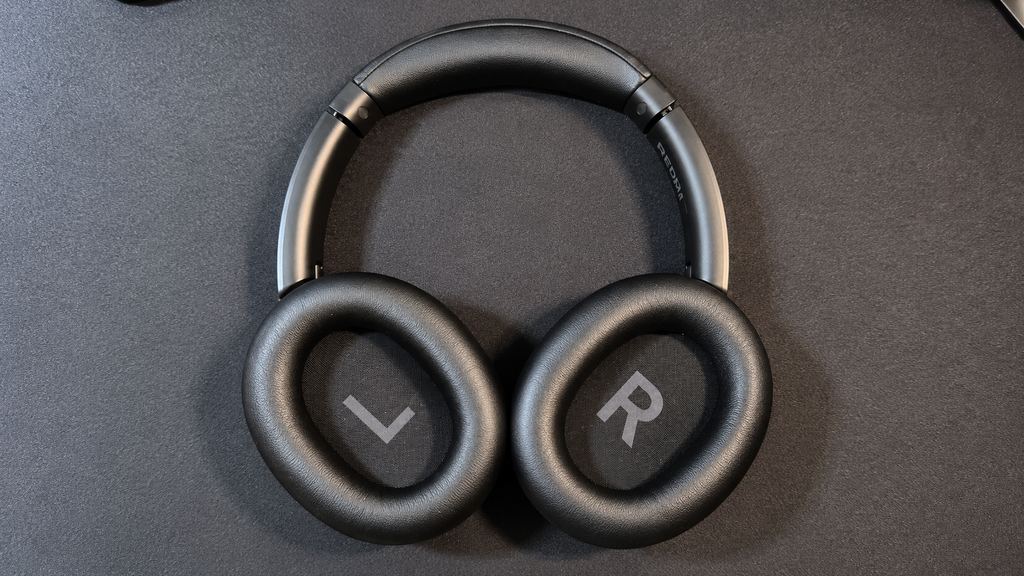
After three weeks of frequent use, I find them comfortable to wear, and I haven’t had any significant complaints about the fit.
The over-ear design is also a nice alternative to earbuds, particularly when spending longer periods listening to music or attending online meetings.
For my everyday office use, they’ve proven to be a comfortable option.
05 // SOUND QUALITY
Sound quality is one of the most important aspects of any pair of headphones, and after three weeks of daily use, I would describe the REDMI Headphones Neo as decent, especially considering their price.
My music taste is extremely varied. I listen to pretty much everything, from rap, Japanese city pop to drum and bass, techno, video game soundtracks, heavy metal, death metal, and atmospheric black metal such as Burzum. This means I’ve been listening to a wide range of musical styles, including vocal-focused tracks, electronic music, atmospheric compositions, and heavier guitar-driven genres.
One thing I particularly appreciate is the bass response. The bass is definitely present, but it isn’t overpowering. There’s enough of it to make bass-heavy genres like drum and bass, techno, and rap enjoyable without dominating the overall listening experience. For my personal preferences, this is a pleasant balance. I don’t particularly enjoy headphones where excessive bass overwhelms everything else, and fortunately, that hasn’t been my experience with the Headphones Neo.
Across the different genres I’ve been listening to, the headphones have provided an enjoyable everyday experience. However, I wouldn’t describe their sound quality as exceptional or audiophile-grade. These are affordable wireless headphones, and their performance should be considered in that context.
For my primary use case — listening to music throughout the working day, they’ve been more than adequate.
My verdict on sound quality: A pleasant listening experience with noticeable but controlled bass. The sound quality is decent for the price, and the headphones have handled my varied music preferences well without any major complaints.
06 // ACTIVE NOISE CANCELLATION
Active Noise Cancellation, or ANC, was one of the features I was most interested in testing. Xiaomi advertises up to 42 dB of adaptive noise cancellation, which sounds impressive for a relatively inexpensive pair of headphones. In practice, my experience has been more mixed.
For regular office use, the noise cancellation is acceptable. It can help reduce background noise and make listening more comfortable. However, when I tried the headphones in noisier environments, their limitations became much more noticeable. Sudden noises, such as banging sounds and other sharp background noises, were not particularly well suppressed.
The headphones simply struggled to reduce these types of sounds effectively. This doesn’t necessarily make the ANC bad, but it is important to understand what to expect.
COMPARISON WITH REDMI BUDS 8 PRO
I also own the REDMI Buds 8 Pro, which offer noticeably better active noise cancellation in my experience. The difference is significant enough that I would choose the Buds 8 Pro when noise cancellation is my main priority. Of course, these are two different types of products. The Buds 8 Pro are in-ear earbuds, while the Headphones Neo use an over-ear design.
Nevertheless, the comparison is useful because both products come from Xiaomi’s REDMI audio lineup.
My verdict on ANC: Good enough for everyday office use, but not particularly effective against sudden or sharp noises. If strong noise cancellation is your main priority, there are better options.
07 // MICROPHONE QUALITY AND MICROSOFT TEAMS
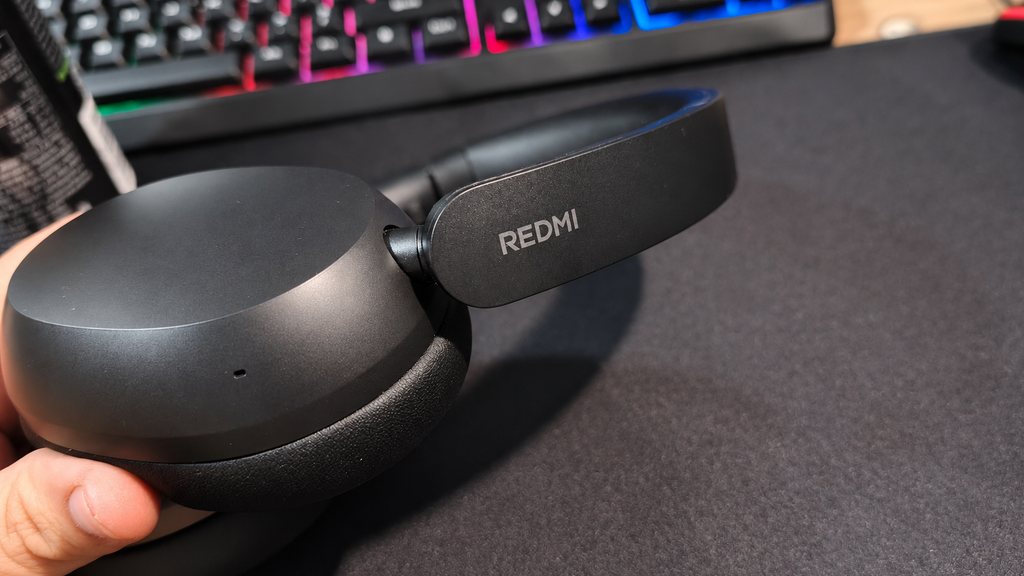
One of the main reasons I purchased these headphones was for work. I regularly attend Microsoft Teams calls and meetings, so microphone performance is important. Fortunately, the REDMI Headphones Neo have performed well in this area.
Based on my experience during meetings and calls, the microphone quality is good and perfectly suitable for regular office communication. I haven’t encountered any significant problems that would prevent me from using them as my primary work headphones.
For people who regularly attend online meetings, this is definitely one of the more useful aspects of the product.
08 // DUAL-DEVICE CONNECTIVITY
This is probably my favourite feature of the REDMI Headphones Neo. The headphones support simultaneous connections to two devices, which means I can keep them connected to both my Xiaomi 15T Pro and my work computer.
For my daily workflow, this is extremely convenient. I can listen to something on my smartphone and then switch to using my computer without manually disconnecting and pairing the headphones every time.
Switching between the two devices has been fast and convenient in my experience. This might sound like a small feature, but once you start using it regularly, it’s difficult to imagine going back to headphones that require constant manual switching. For anyone using headphones across both a personal smartphone and a work laptop, this is a genuinely useful addition.
09 // XIAOMI EARBUDS APPLICATION
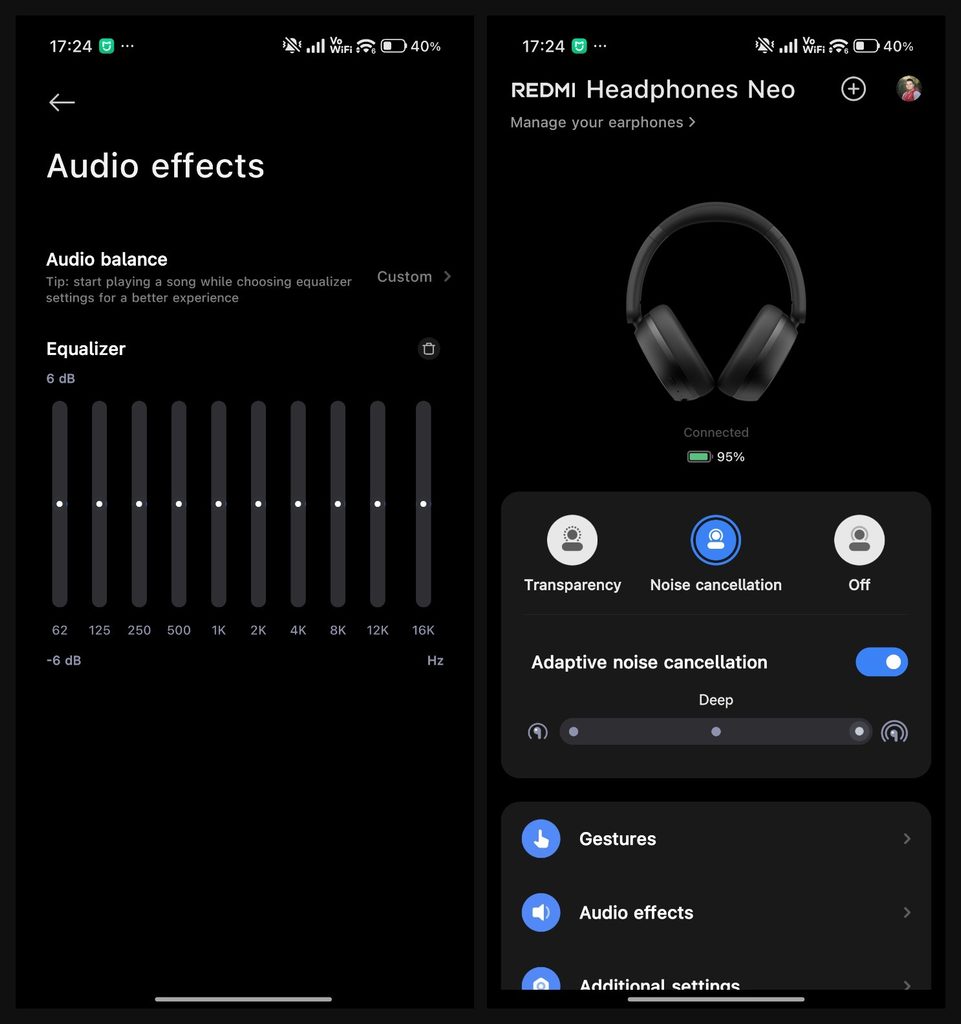
Another positive part of the experience has been Xiaomi’s companion application. Despite its name, the Xiaomi Earbuds app also supports the REDMI Headphones Neo.
The application is straightforward to navigate and makes managing the headphones simple. It provides access to additional settings, including noise cancellation controls, audio adjustments, and connection-related options. I particularly appreciate how easy it is to use. There is no complicated setup process, and the interface makes it easy to find the settings you need.
Combined with the easy pairing process and dual-device connectivity, the software experience has been one of the stronger aspects of these headphones.
10 // BATTERY LIFE AND CHARGING
Xiaomi advertises up to 72 hours of battery life with active noise cancellation disabled. The headphones also support fast charging, with Xiaomi claiming that a 10-minute charge can provide up to five hours of playback under its specified test conditions.
These are promising figures for headphones intended for daily use. However, I haven’t carried out a controlled battery rundown test, so I can’t independently confirm Xiaomi’s advertised endurance. Battery life will also depend on factors such as volume, active noise cancellation, connectivity, and usage patterns.
For now, I would treat the manufacturer’s figures as a reference rather than a guaranteed result.
11 // WHAT I LIKED AND WHAT COULD BE BETTER
After three weeks of using the REDMI Headphones Neo, several things stand out.
WHAT I LIKED
- Comfortable for regular office use
- Decent sound quality for the price
- Good microphone performance during Microsoft Teams calls
- Extremely easy pairing process
- Fast and convenient switching between two connected devices
- Straightforward Xiaomi Earbuds application
- Useful feature set for approximately €65
WHAT COULD BE BETTER
- Active noise cancellation could be stronger
- Sudden noises and sharp background sounds are not suppressed particularly well
- Sound quality is decent rather than exceptional
- The REDMI Buds 8 Pro provide noticeably better ANC in my experience
None of these drawbacks has made me regret purchasing the headphones, but they are worth considering before buying.
12 // ARE THEY WORTH €65?
After approximately three weeks of daily use, I think the REDMI Headphones Neo offer good value for someone looking for affordable wireless headphones, particularly for office work. They aren’t perfect.
The sound quality is decent rather than outstanding, and the ANC isn’t nearly as effective as I would have liked in louder environments.
However, the headphones make up for some of these weaknesses with comfort, useful software features, reliable everyday usability in my experience, and excellent dual-device convenience. If I were buying headphones primarily for strong active noise cancellation, I would probably look elsewhere.
But for listening to music at work, participating in Teams meetings, and switching between my computer and smartphone, they’ve been a good purchase.
13 // FINAL THOUGHTS
The REDMI Headphones Neo aren’t trying to compete with expensive, premium wireless headphones, and I don’t think they need to. For around €65, they provide a comfortable over-ear design, decent sound quality, good microphone performance, and a particularly useful dual-device connection feature.
After wearing them almost every day for three weeks, I’m happy with the purchase. The ANC could definitely be better, particularly when dealing with sudden background noises, but for my intended use at work, the headphones have performed well.
Would I recommend them? Yes, particularly for someone looking for affordable headphones for office work, online meetings, and casual music listening.
Just don’t expect premium-level noise cancellation.
// A NOTE ON PERSONAL PREFERENCES
It’s also important to remember that sound quality is subjective. Everyone hears things differently, and our preferences vary depending on the type of music we enjoy and the sound signature we prefer.
Some people enjoy powerful, bass-heavy headphones, while others prefer a more neutral and balanced sound. The shape of our ears, how the headphones fit, and even the seal around the ear cushions can influence our listening experience.
My impressions are based on my personal preferences and three weeks of everyday use rather than professional audio measurements.
What sounds good to me might not necessarily sound the same to you, so I always recommend trying headphones yourself whenever possible.
// END OF REVIEW 007